2025 How to Choose the Best Lightweight Tripod for Your Photography Needs
When it comes to photography, having the right equipment can make a significant difference in the quality of your images. One essential tool for photographers, especially those who prefer shooting outdoors or on the go, is a lightweight tripod. A lightweight tripod not only provides stability for your camera but also enhances your ability to capture sharp, clear images in various conditions. As technology continues to improve, the market is flooded with options, making it crucial to understand your specific photography needs before making a purchase.
Choosing the best lightweight tripod involves considering several factors such as weight, height, material, and load capacity. Photographers need to evaluate how they plan to use the tripod—whether for travel, landscape, or portrait photography. A lightweight tripod should be portable enough to carry during long hikes or trips while still sturdy enough to withstand different shooting environments. This guide will help you navigate the current offerings, ensuring you select a lightweight tripod that complements your style and enhances your photographic experience.
Understanding the Importance of a Lightweight Tripod in Photography
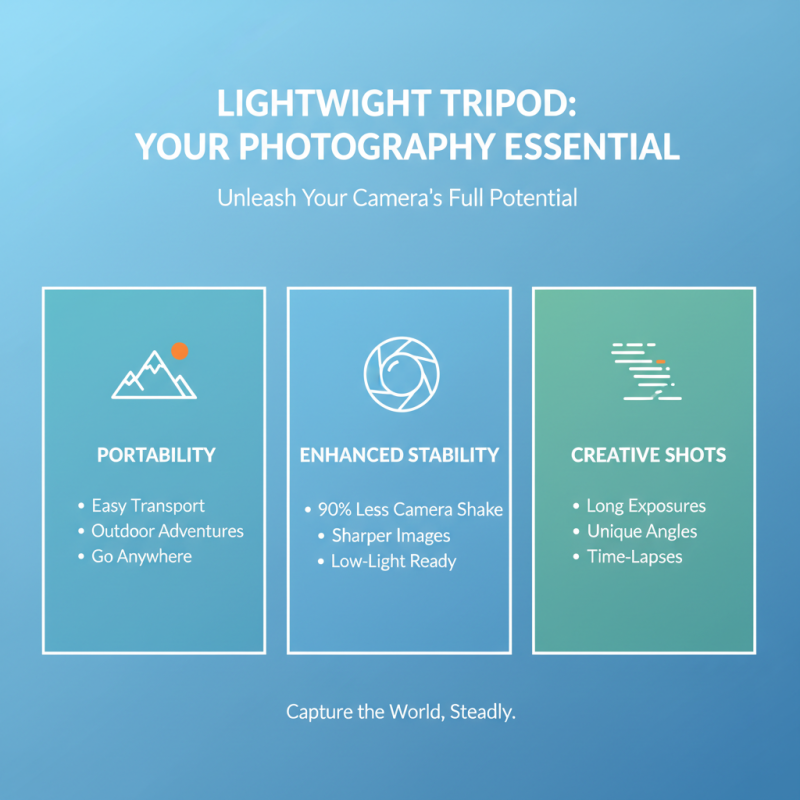
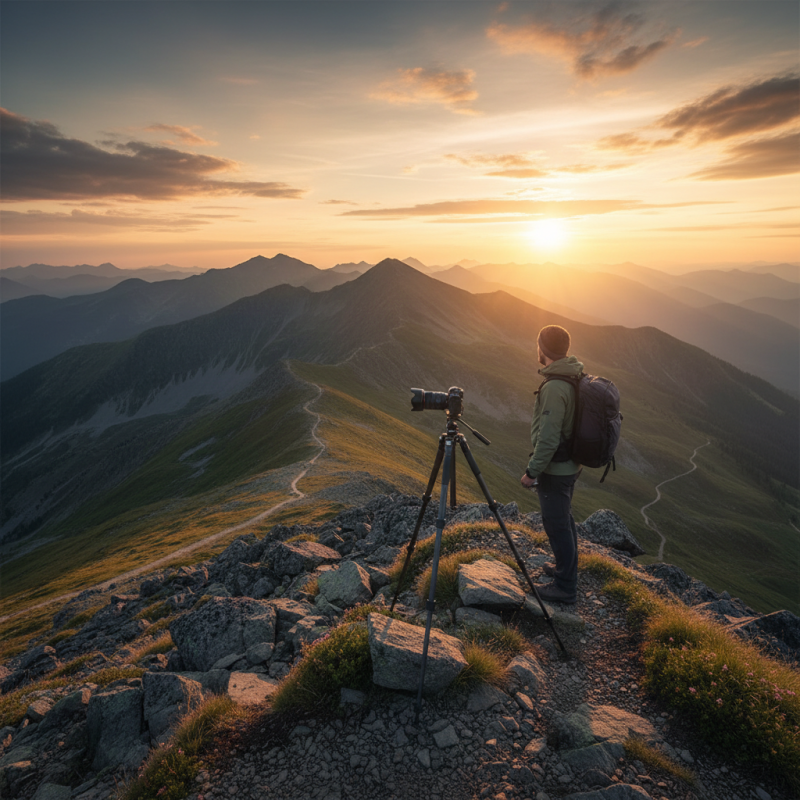
A lightweight tripod is an indispensable tool for photographers of all levels, as it significantly enhances stability and image quality during outdoor shoots. In fact, studies show that using a tripod can reduce camera shake by up to 90%, ensuring sharper images, especially in low-light conditions. A lightweight tripod not only allows for easier transport but also encourages photographers to capture creative angles and long-exposure shots that might otherwise be impossible without the right support.
When selecting a lightweight tripod, it's essential to consider its material and construction. Carbon fiber tripods, for example, are well-regarded in the industry for their durability and reduced weight. According to a recent survey by the Photography Equipment Association, 68% of professional photographers prioritize weight as a critical factor in their gear selection. Tips for finding the best option include evaluating the tripod's load capacity, examining its stability in windy conditions, and ensuring it has a suitable height range for your shooting preferences.
Lastly, ensure that the tripod you choose supports versatile usage, such as macro photography or landscape captures. Look for additional features like adjustable legs or a ball head for smoother movement. Proper maintenance is crucial as well, with regular inspections for any loose components or wear and tear, as even the best lightweight tripods can falter if not properly cared for.
Key Features to Consider When Selecting a Lightweight Tripod
When selecting a lightweight tripod for your photography needs, several key features come into play. First and foremost, the material of the tripod significantly affects its weight and durability. Aluminum is a popular choice due to its balance of strength and portability, whereas carbon fiber offers superior stability and reduced weight, making it ideal for serious travelers and outdoor photographers.
Height adjustability is another crucial factor. A good tripod should allow for a range of heights to accommodate different shooting styles and angles. Look for models with a quick-release mechanism and adjustable leg angles, which provide greater flexibility in positioning. Additionally, consider the weight capacity of the tripod; ensure it can comfortably support your camera and any additional gear you might use. Finally, pay attention to the tripod's folding mechanism and compactness when stowed away, as a truly lightweight tripod should be easy to carry around without taking up too much space.
2025 Lightweight Tripod Features Comparison
This bar chart compares three different lightweight tripods based on key features such as weight, maximum height, minimum height, load capacity, and price. This information can help photographers make informed decisions when selecting the best tripod for their needs.
Comparing Materials: Carbon Fiber vs. Aluminum for Tripods
When selecting a lightweight tripod, the choice of materials plays a crucial role in determining its performance and suitability for your photography needs. Carbon fiber and aluminum are the two most common materials, each with its own set of advantages and drawbacks. Carbon fiber tripods are known for their exceptional strength-to-weight ratio, making them lightweight and easy to carry. This is especially beneficial for photographers who travel frequently or hike to remote locations. Additionally, carbon fiber tends to absorb vibrations better than aluminum, providing added stability for long exposures or telephoto shots.
On the other hand, aluminum tripods are generally more affordable and can offer a sturdier feel in certain conditions. They tend to be more durable when it comes to everyday wear and tear, making them a reliable choice for photographers who work in challenging environments. However, aluminum is heavier than carbon fiber, which can be a disadvantage for those prioritizing portability. Ultimately, the choice between carbon fiber and aluminum should be guided by your specific photography style, budget, and the environments in which you plan to use your tripod.
Essential Height and Weight Considerations for Tripod Selection
When selecting a lightweight tripod for your photography needs, understanding the essential height and weight considerations is crucial. The height of a tripod affects its stability and usability across various photography styles. A tripod that can extend to eye level is advantageous for portrait and landscape photography, allowing for comfortable framing without sacrificing stability. Conversely, if you primarily photograph low-angle shots or macro subjects, a tripod that can adjust to a lower height can provide greater versatility.
Weight is another critical factor in tripod selection. A lightweight tripod is essential for travel photographers who need a portable solution that doesn’t add unnecessary bulk to their gear. However, it's important to find a balance between weight and stability. A tripod that is too lightweight may not withstand windy conditions or support heavier camera setups. Therefore, assess the materials used in the tripod’s construction – carbon fiber options offer a great blend of lightweight design and strength. Always consider the tripod’s weight capacity to ensure it can safely hold your camera and any additional equipment you may use.
2025 How to Choose the Best Lightweight Tripod for Your Photography Needs - Essential Height and Weight Considerations for Tripod Selection
| Tripod Model |
Weight (lbs) |
Maximum Height (inches) |
Folded Height (inches) |
Material |
| Model A |
3.2 |
64 |
16 |
Aluminum |
| Model B |
2.8 |
60 |
15 |
Carbon Fiber |
| Model C |
4.1 |
70 |
18 |
Aluminum |
| Model D |
3.5 |
65 |
17 |
Carbon Fiber |
| Model E |
2.9 |
62 |
14 |
Aluminum |
Budgeting: Finding the Best Lightweight Tripod for Your Needs
When searching for the best lightweight tripod for your photography needs, budgeting plays a crucial role. It’s essential to determine how much you are willing to spend before diving into the world of tripods. A clear budget helps narrow down your options and allows you to focus on features that align with your specific requirements. Tripods can vary significantly in price based on material, weight capacity, and additional functionalities. Setting a budget will also help prevent overspending on features you might not need.
Once you have a budget in place, consider the essential features of a lightweight tripod that will suit your photography style. If you frequently travel or hike, prioritize models that are both lightweight and compact when folded, making them easy to carry. Additionally, assess the build quality; materials like aluminum or carbon fiber offer a sturdy yet lightweight option. Also, think about the height range and weight capacity; a tripod should reach your eye level for comfortable framing while being sturdy enough to support your camera gear. Balancing these factors within your budget will lead to a smart investment that enhances your photography experience.