Best Travel Tripods for Every Adventurer in 2026?
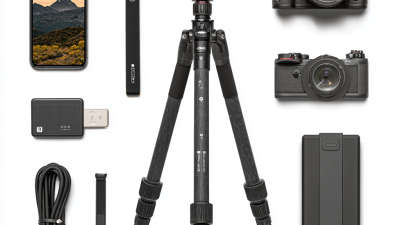
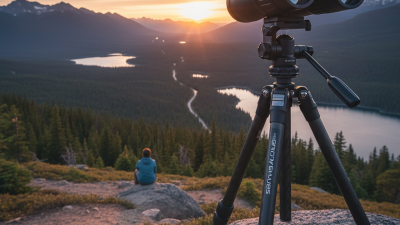
As adventurers set out to explore the world in 2026, the importance of a robust Travel Tripod cannot be overstated. Whether capturing breathtaking landscapes or intimate moments, the right tripod provides stability and creativity. However, many travelers overlook this essential gear, often relying on handheld devices. This common mistake can lead to shaky photos and missed opportunities.
The market is flooded with options, making it challenging to choose the best Travel Tripod. Each adventurer has unique needs, from weight and size to material and functionality. Some tripods excel in rugged terrains, while others shine in urban settings. It’s crucial to consider these factors to enhance your photography experience.
Not all tripods are created equal, and what works for one may not be suitable for another. Reflecting on personal preferences is key. Are you a hiker seeking a lightweight option, or a photographer prioritizing stability? The answer will guide your choice, ensuring you invest in a Travel Tripod that complements your adventures.
Top Features to Consider When Choosing a Travel Tripod
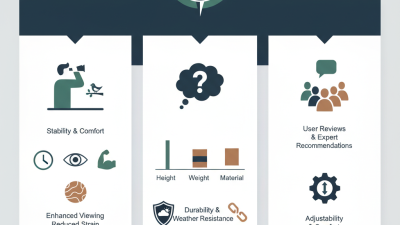
When choosing a travel tripod, consider weight as a primary factor. A lightweight tripod ensures you can carry it easily during long treks. Research shows traveling photographers often prefer tripods under 3 pounds. This balance between portability and sturdiness is crucial for capturing exceptional images. Furthermore, a tripod's height versatility is essential. Many models extend from just a few inches to over 5 feet, accommodating various shooting angles.
Stability is vital when selecting a tripod. Look for features like rubber feet and sturdy legs to combat uneven surfaces. Industry studies indicate that tripods with wider bases provide better stability in windy conditions. Additionally, consider the material—aluminum and carbon fiber are popular choices. Carbon fiber is lightweight but comes at a higher price point.
Tip: Test the extending locking mechanisms. They should be easy to use but secure when tightened. Documentation from professional photographers suggests ensuring your tripod can withstand the elements. Consider water and snow resistance for diverse adventures. While many options exist, not all will meet every adventurer's needs. Keep in mind the features you prioritize. Should it be compact, durable, or easy to set up quickly? Your choices shape your travel experience.
Lightweight and Compact Designs for Easy Portability
When choosing a travel tripod, portability is essential for adventurers. Lightweight materials such as carbon fiber are ideal. They offer stability without adding bulk to your gear. This is crucial for those trekking through rugged landscapes or navigating bustling city streets. A compact design allows for easy storage in your backpack or luggage.
Consider tripods that collapse to a small size. Some can be compressed to less than 15 inches. This feature is particularly useful when traveling on public transport. You need something that won’t weigh you down but still provides the support you need for stability during shooting.
However, not all lightweight tripods are created equal. Some may sacrifice durability for weight, which can lead to regrets later. A shaky base could ruin your photographs. Test out different models to find the right balance. Look for user reviews that highlight experiences, both good and bad, to inform your decision. Remember, your tripod should enhance your experience, not complicate it.
Best Travel Tripods for Every Adventurer in 2026
| Model |
Weight (lbs) |
Folded Height (inches) |
Max Height (inches) |
Material |
Price (USD) |
| Compact Pro 300 |
2.5 |
15 |
60 |
Aluminum |
149.99 |
| LightTraveler 200 |
1.8 |
12 |
54 |
Carbon Fiber |
199.99 |
| Adventurer Max 400 |
3.2 |
16 |
65 |
Aluminum |
179.99 |
| Explorer Mini 100 |
1.2 |
10 |
40 |
Aluminum |
99.99 |
| Ultimate Trekker 500 |
3.5 |
17 |
70 |
Carbon Fiber |
249.99 |
Versatile Tripod Types Suited for Different Adventure Styles
When it comes to adventure photography, the right tripod can make all the difference. For hikers, a lightweight and compact tripod is essential. Look for materials that balance sturdiness with portability. A carbon fiber tripod offers durability while remaining easy to carry. If you’re trekking through rugged terrain, consider a model with flexible legs. This feature allows you to position the tripod securely on uneven ground.
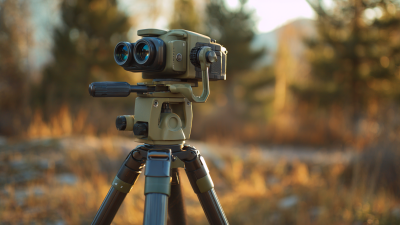
For travelers who enjoy wildlife photography, a taller tripod is often necessary. Height ensures you can capture stunning shots without intruding on the wildlife. A tripod with adjustable legs can help you adapt to different environments. Take time to practice setting it up quickly. In fast-moving situations, this skill is crucial.
For urban explorers, a compact travel tripod enhances your city shots. These models typically fold down small enough for your backpack. However, remember that they may not withstand strong winds. Experimenting with different settings can help you discover the best options for your style. Each tripod type has its pros and cons; recognize that no single model fits every adventure.
Best Travel Tripod Brands and Models for 2026
In 2026, travel tripods are essential for adventurers. They stabilize images and enhance photo quality. Many photographers agree that a reliable tripod is a must-have. Research shows that portability and weight are key factors in choosing a tripod. Most travelers prefer models weighing less than three pounds.
Popular brands focus on durability and ease of use. Tripod materials, like aluminum and carbon fiber, impact performance. A carbon fiber tripod can withstand harsh conditions but is pricier. Some users find the learning curve steep with advanced features. This may discourage beginners from exploring all options.
Many options offer unique features. Some tripods include smartphone mounts or additional quick-release plates. However, the versatility can make choices overwhelming. Users should consider their specific needs: hiking, photography, or travel. Taking time to research different models can lead to better decisions. Reliable reviews can help filter out less effective products.
Best Travel Tripods for Every Adventurer in 2026
Maintenance Tips for Extending the Life of Your Travel Tripod
Travel tripods are essential tools for photographers and adventurers. However, maintaining them often gets overlooked. Proper care can drastically extend their lifespan. A few minutes spent on maintenance can save you a lot of hassle in the field.
After each trip, inspect your tripod thoroughly. Look for signs of wear or damage. Dust and sand can get into the joints and locks. Use a soft brush to clean these areas. Sometimes, it may feel tedious or repetitive, but it's crucial. Regularly grease the moving parts to ensure smooth operation. A well-maintained tripod won’t just perform better; it will also provide more stability for your shots.
Storing your tripod correctly is equally important. Avoid leaving it in extreme temperatures or humidity. These conditions can weaken materials over time. When packing, consider using a protective case. It might seem excessive, but it’s better than dealing with broken gear on your next adventure. Don't wait for problems to arise to take action. Instead, make maintenance a habit. This small effort will reward you with reliability on your outings.