Leave Your Message
Choosing a Camera Tripod can feel simple until you carry one uphill, mount a heavy lens, or work beside moving water. Weight, stability, height, leg locks, and head movement all affect the final image. A tripod that feels solid in a showroom may wobble on gravel or sink into wet soil.
Ansel Adams once said, “The single most important component of a camera is the twelve inches behind it.” His point remains valuable. Equipment supports judgment, but it cannot replace careful composition. A reliable Camera Tripod should help you slow down, level the frame, and protect sharp details during long exposures. It should also match your real camera setup, not an imagined future kit.
This guide examines ten practical buying tips for every buyer. We will consider aluminum and carbon fiber, load capacity, folded length, center columns, feet, tripod heads, and travel needs. Small details matter. A loose knob can ruin a sunrise exposure. A narrow leg angle can make a low composition frustrating. A heavy tripod may be stable, yet unpleasant after three hours of hiking.
There is no perfect choice.
Some recommendations depend on budget, terrain, and shooting style. That is where many buying guides become too confident. A lightweight model may be excellent for travel but disappointing with a telephoto lens. A premium Camera Tripod may offer superb control while exceeding your needs. Use these tips as a field-tested framework, then question every specification against your own hands, camera bag, and shooting conditions.
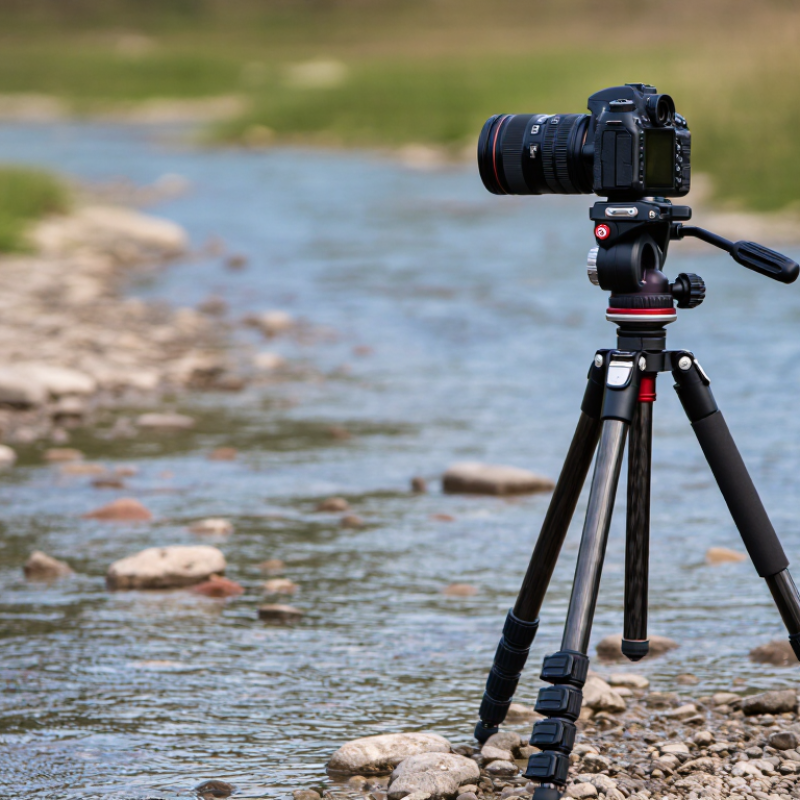
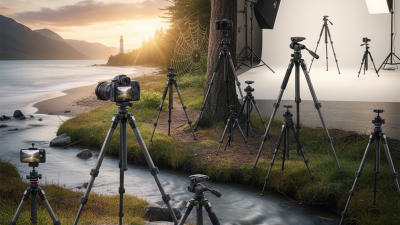
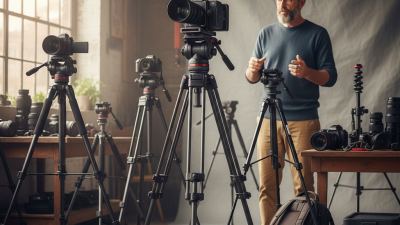
A tripod is not simply a three-legged stand. Its design should match the work you intend to do. Lightweight travel tripods suit hiking, street photography, and small cameras. They pack easily, but their narrow legs may shake in strong wind. Studio tripods offer greater stability for heavy equipment, controlled lighting, and long exposures. They are reliable, though often too bulky for mountain trails.
Video tripods usually include fluid movement and a broader base. They help when recording interviews, performances, or slow camera pans. A photo tripod head works differently. It favors quick repositioning and precise framing. Tabletop tripods are useful for product shots, low-angle scenes, and desk-based video. They are compact, but their height remains limited.
Tips: Match the tripod to your camera’s weight, not only its size. Check the load rating with the lens attached. A locking system should feel firm and simple, especially outdoors. Test the tripod on uneven ground before trusting it with expensive equipment.
During field testing, I look for wobble after extending each leg section. I also press the center column gently. Excess movement can ruin sharp images during a long exposure. Carbon-style materials may reduce weight, while aluminum often feels more affordable and steady. Neither choice is perfect. A lighter tripod encourages travel, but a heavier one may stay planted beside a windy shoreline. I once chose portability over stability and regretted it during a sunset shoot. That mistake still influences how I compare tripods today.
| No. | Buying Tip | Tripod Type | Intended Use | Recommended Specifications | What to Check |
|---|---|---|---|---|---|
| 1 | Match the load capacity | Travel or standard tripod | General photography with a camera, lens, and accessories | Rated capacity at least 1.5–2 times the total equipment weight | Add the camera body, lens, flash, microphone, and other mounted accessories before comparing the rating. |
| 2 | Choose a suitable working height | Full-size tripod | Portraits, landscapes, studio work, and standing-level compositions | Maximum height close to the photographer’s eye level without fully extending the center column | A suitable height reduces bending and generally improves stability compared with relying on maximum center-column extension. |
| 3 | Prioritize portability when traveling | Travel tripod | Hiking, city trips, air travel, and location-based photography | Folded length around 35–50 cm; moderate weight; secure leg locks | Compare folded length, packed weight, leg-section count, and whether the tripod fits your carry-on or daypack. |
| 4 | Consider stability in difficult conditions | Heavy-duty tripod | Long lenses, windy landscapes, astrophotography, and long exposures | Wide leg stance, rigid joints, strong locks, and a low center of gravity | A center-column hook can accept ballast, but avoid hanging unstable loads in strong wind. |
| 5 | Select the right head movement | Ball-head tripod | Fast reframing for travel, portraits, street, and landscape photography | Smooth locking mechanism, adjustable tension, and a separate panning control | Check whether the head supports the equipment weight and allows precise control without sudden movement. |
| 6 | Use fluid movement for video | Video tripod with fluid head | Video recording, interviews, pans, tilts, and controlled camera movement | Fluid damping, adjustable drag, a pan handle, and a level-adjustment mechanism | Still-photo heads are not designed to provide the same smooth, continuous motion as a fluid video head. |
| 7 | Check low-angle flexibility | Low-angle or macro tripod | Macro subjects, products, flowers, ground-level scenes, and creative perspectives | Legs that spread widely, reversible or removable center column, and independent leg angles | Confirm the minimum height and whether the center column can be positioned horizontally or inverted safely. |
| 8 | Evaluate materials and weight | Aluminum or composite tripod | Choosing between affordability, low weight, vibration control, and durability | Aluminum: usually lower cost; composite materials: often lighter and better at reducing transmitted vibration | Consider climate, transport demands, repairability, surface temperature, and the trade-off between weight and rigidity. |
| 9 | Inspect the leg-lock design | Any tripod category | Frequent setup, outdoor shooting, and changing locations | Lever locks for quick operation or twist locks for a compact profile | Locks should open and close consistently, resist slipping, and remain usable with cold or wet hands. |
| 10 | Verify camera compatibility and features | Specialized or modular tripod | Panoramas, vertical framing, remote work, and multi-purpose shooting | Standard camera mounting screw, quick-release plate, bubble level, and independent panning | Check plate compatibility, portrait-orientation clearance, replacement-part availability, and the tripod’s warranty terms. |
Quick selection guide: Choose a travel tripod for portability, a full-size tripod for everyday stability, a heavy-duty tripod for demanding loads and weather, a low-angle tripod for macro work, and a fluid-head tripod for video.