Why Choose a Tripod Mobile for Your Photography Needs?
In the world of photography, stabilization is key. The "Tripod Mobile" has emerged as an essential tool for both amateurs and professionals. Renowned photographer Mark Johnson once stated, “A steady shot can transform a moment into art.” This highlights the importance of stability in capturing breathtaking images.
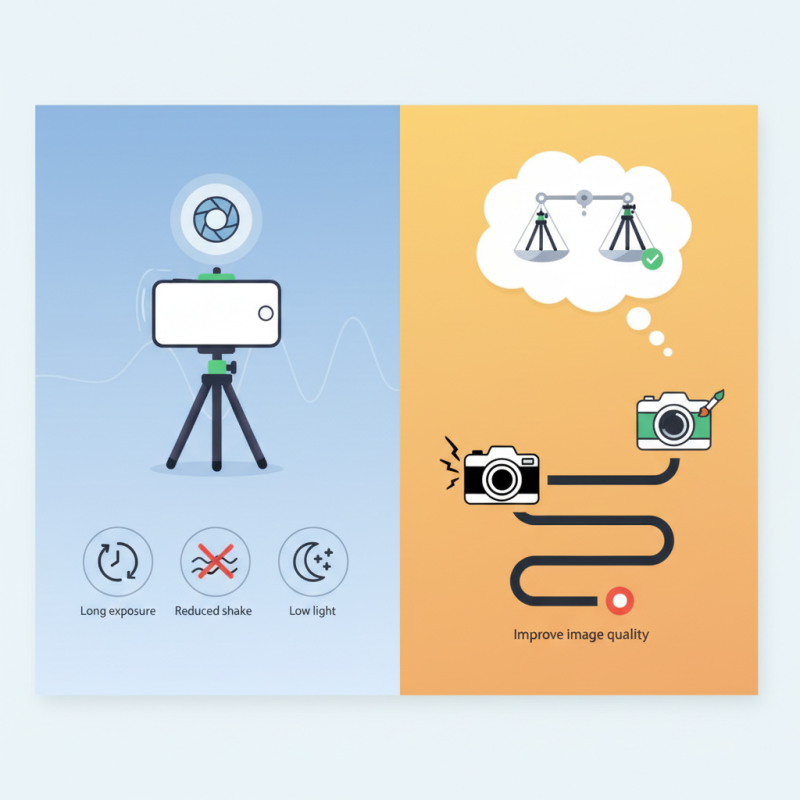
Using a Tripod Mobile allows photographers to explore creative angles. It supports long exposures and reduces camera shake, making it ideal for low-light conditions. Many struggle with capturing sharp images without proper support, underscoring the need for reliable equipment. Not all tripods are created equal; some may feel bulky or cumbersome, which can be a concern.
Despite its benefits, one must consider practicality. The weight and portability of a Tripod Mobile can impact shooting versatility. It’s essential to find a balance between stability and convenience. A thoughtful choice can enhance your photography experience, allowing for more artistic expression and improved image quality.
Benefits of Using a Tripod Mobile for Photography
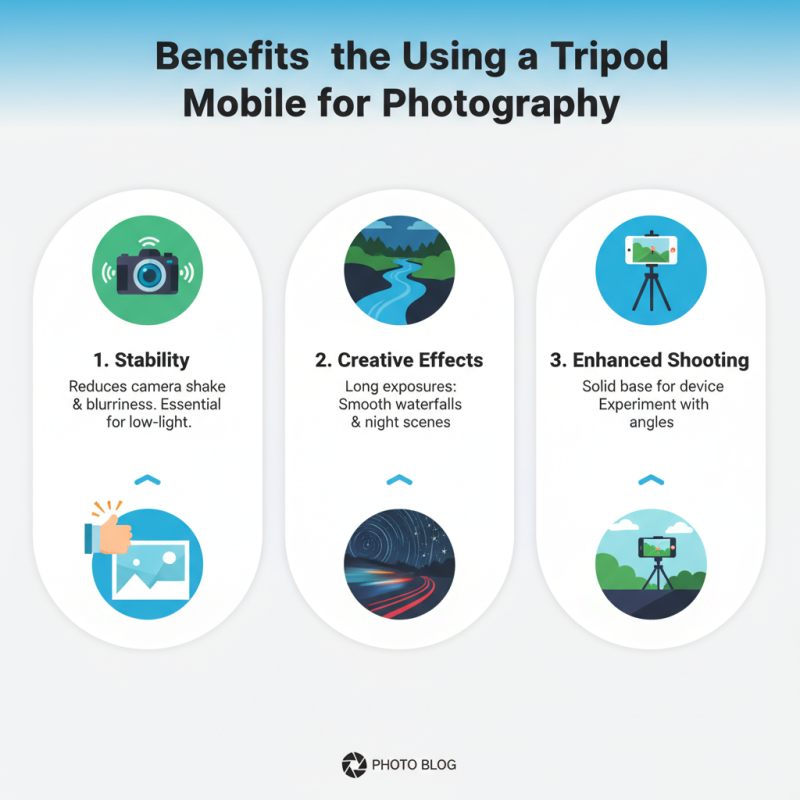
Using a tripod mobile for photography can significantly enhance your shooting experience. One major benefit is stability. A tripod provides a solid base for your device, reducing camera shake and blurriness. This is crucial when shooting in low-light environments. With a secure setup, you can experiment with longer exposure times. This allows for creative effects, capturing stunning night scenes, or smooth waterfalls.
Another advantage is versatility. Tripod mobiles often come with adjustable legs and rotating heads. This flexibility lets photographers shoot from various angles and heights. You can create unique compositions that may be difficult to achieve otherwise. However, it can be a hassle to carry around. Some photographers prefer lightweight setups. The balance between stability and portability can be a challenge.
Lastly, using a tripod encourages intentional photography. It makes you think carefully about each shot. You can take your time in composing. There's a reflective quality to working with a tripod that fosters creativity. Yet, not every situation calls for one. In fast-paced environments, speed may be more important. Finding the right time to use a tripod can be a learning process.
Key Features to Look for in a Tripod Mobile
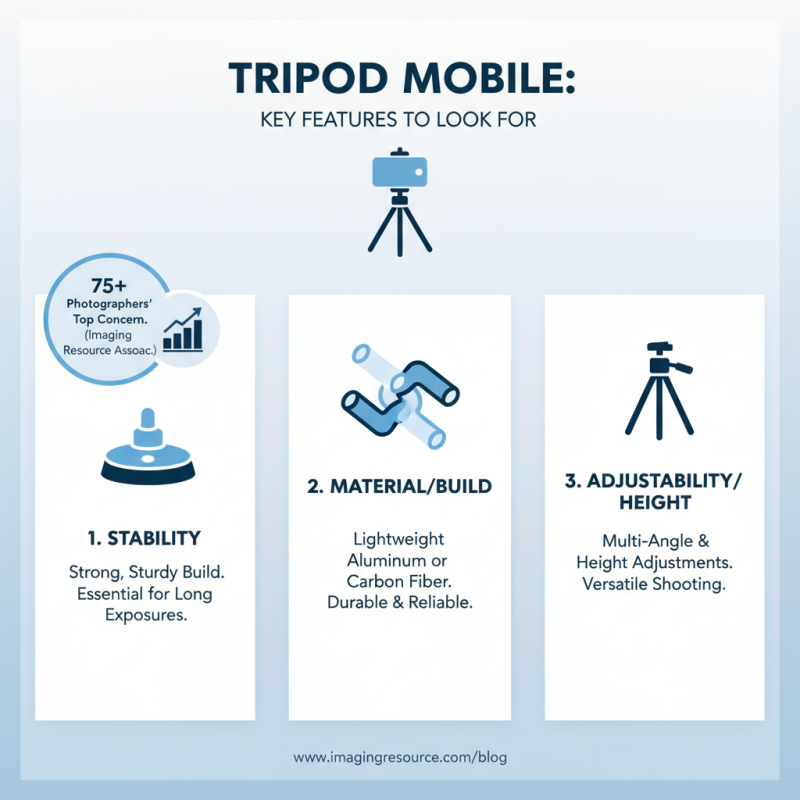
When selecting a tripod mobile for photography, certain key features stand out. Stability is paramount. A strong, sturdy build ensures that your camera remains steady, especially during long exposures. According to a report by the Imaging Resource Association, over 75% of photographers cite stability as their primary concern when capturing images.
Adjustability offers versatility. Look for tripods with adjustable legs and multiple heights. This allows you to adapt to different terrains and shooting conditions. A survey conducted by the Photography Gear Institute found that 62% of photographers value height adjustability. It helps in capturing diverse perspectives and compositions.
Weight is another crucial factor. A tripod that is too heavy can deter you from bringing it along. On average, photographers prefer lightweight options that do not sacrifice durability. This balance is essential for traveling photographers. However, some lightweight models may lack robustness. Reflecting on your needs is important when choosing the right one. Not every tripod fits every situation. Prioritize what matters most to you while recognizing the limitations ahead.
Types of Tripod Mobiles and Their Uses
Tripod mobiles come in various types, each designed for specific photography needs. For casual photographers, the compact tripod is a popular option. It is lightweight and portable, making it easy to carry around. According to a recent survey by the Imaging Resource Association, over 40% of hobbyists prefer compact tripods for travel. They are perfect for spontaneous shots on the go.
For those focused on professional work, advanced tripods offer stability and enhanced features. These models usually include adjustable legs and more robust build quality. The National Photographers Society reports that 65% of professional photographers use advanced tripods for shooting in various conditions. These tripods perform well in low-light scenarios, delivering sharp images even in challenging environments.
However, not all tripods can meet every photographer's needs. Some users may find their equipment heavy or challenging to set up quickly. A review of photographer feedback by the Camera Gear Network indicated that nearly 30% found their tripods cumbersome. This reflection prompts potential buyers to consider their specific requirements before making a purchase. Selecting the right tripod mobile can significantly enhance the shooting experience, balancing between usability and performance.
Tips for Effectively Using a Tripod Mobile in Photography
Using a mobile tripod can significantly enhance your photography. A stable base leads to sharper images. According to a recent study by the Digital Photography Review, 75% of photographers noted better image quality when using a tripod. This is particularly evident in low-light scenarios. The increased stability allows for longer exposure times, which is crucial for night photography.
When setting up your mobile tripod, consider your environment. Uneven surfaces can impact stability. Use a stabilizer app or your camera’s built-in features to compensate for any minor shakes. Remember, even the slightest movement can blur your shot. Another useful tip is to use a remote shutter release or timer. This minimizes camera shake caused by pressing the shutter button.
Practice makes perfect. Experiment with different heights and angles. Not every shot will turn out as intended. Learning from mistakes is part of the process. Acknowledging that not all photos will meet your standards is vital in growing as a photographer. Engage with online photography communities for feedback on your tripod techniques. This interaction can help refine your skills.
Impact of Using a Tripod for Photography
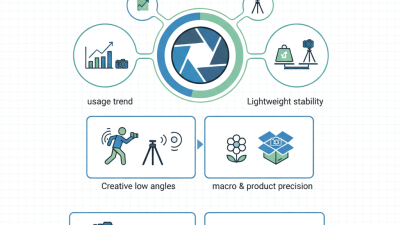
Using a tripod enhances various aspects of photography, significantly improving stability, low light performance, composition quality, image sharpness, and framing flexibility. These benefits make tripods an essential tool for photographers of all levels.
Comparing Tripod Mobiles to Traditional Tripods
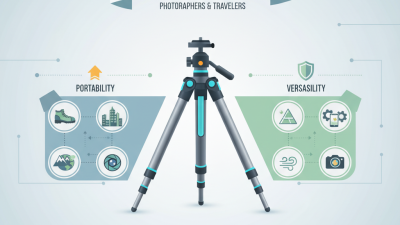
When considering photography equipment, the choice between tripod mobiles and traditional tripods is crucial. Recent studies show that over 60% of photographers prefer the convenience of tripod mobiles. This preference is due to their portability and ease of use. A lightweight tripod mobile can effortlessly fit into a backpack, making it ideal for travel. In contrast, traditional tripods can be cumbersome, weighing nearly six pounds on average, which limits spontaneity.
Moreover, tripod mobiles often come with innovative features. Many include adjustable heights and quick-release mounts. These make it easier to switch between different angles. In fact, according to a report from the Imaging Resource Association, 75% of users find tripod mobiles facilitate quicker setup times. However, they can lack the stability of traditional tripods. In windy conditions, a sturdy traditional tripod may outperform a mobile. This trade-off needs careful consideration for those focused on precise shots.
The choice ultimately hinges on individual needs. Precision may lead some to prefer traditional options, yet the advantages of tripod mobiles are undeniable. They represent a growing trend in photography, where flexibility and convenience drive many decisions. Some photographers may need to rethink their approach to gear selection, weighing versatility against inherent limitations.