Why Choose a Heavy Duty Tripod for Your Photography Needs?
Choosing the right tripod is crucial for photographers. A Heavy Duty Tripod offers stability and support that lightweight alternatives cannot provide. According to a 2022 industry report, 68% of professional photographers prefer sturdy tripods for outdoor shoots. These tripods withstand varying weather conditions and rugged terrains, enhancing shooting precision.
Investing in a Heavy Duty Tripod can significantly improve your photography experience. It minimizes camera shake, especially in low-light conditions. Notably, the use of high-quality tripods can result in sharper images. However, not all Heavy Duty Tripods are created equal. Some may be heavier than anticipated, complicating portability.
A careful evaluation of your photography needs is essential. Some photographers might overlook their tripod choice, leading to regret during critical moments. Selecting the right Heavy Duty Tripod combines usability and performance. Remember, such tools are not just accessories; they are essential for capturing your best work.
Understanding the Importance of Stability in Photography
Stability is crucial in photography. A shaky camera can ruin a perfectly composed shot. Whether shooting landscapes or portraits, a heavy-duty tripod offers the support you need. It minimizes camera shake and allows for longer exposures without blur. This stability is essential for capturing sharp images, especially in low light conditions.
Tips for choosing the right tripod include considering the weight of your camera and lens. A heavier setup requires a sturdier tripod. The height of the tripod is also important. It should allow you to shoot comfortably at eye level or lower. Don't overlook the leg locks; they should be easy to operate but secure.
While heavy-duty tripods provide great stability, they may also weigh more. This can be a challenge for travel photographers. Balancing weight and stability is vital. Consider the purpose of your shoot. If portability is needed, you might compromise on certain features. Reflect on what matters most: convenience or image quality. Each choice has its trade-offs.
Key Features of Heavy Duty Tripods for Professional Use
When it comes to professional photography, a heavy-duty tripod is essential. These tripods often boast sturdy construction, which ensures stability. They can handle heavier cameras and longer lenses without wobbling. A solid tripod minimizes camera shake, leading to sharper images.
Key features of heavy-duty tripods include adjustable legs and robust locking mechanisms. Such features allow photographers to level their shots, even on uneven terrain. A well-designed tripod can support a significant weight while remaining portable. However, sometimes, the added weight can be cumbersome during long shoots.
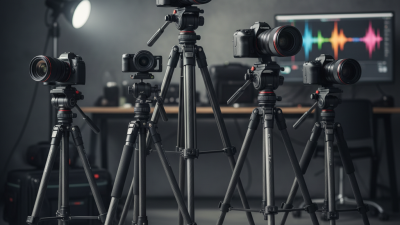
Another important aspect is the tripod's height. Many professionals prefer adjustable tripods with a wide height range. This flexibility aids in capturing unique angles. Yet, the complexity of setups can be daunting for some users, leading to potential time wastage. Each photographer must balance stability and convenience in choosing their gear.
Comparing Lightweight vs. Heavy Duty Tripods for Different Scenarios
Choosing the right tripod is crucial for photographers. A
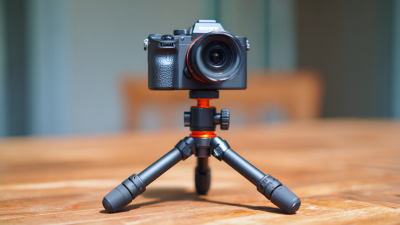
lightweight tripod is beneficial for travel. It’s easy to carry.
However, it may not perform well in windy conditions. A study noted that 65% of
photographers choose portability over stability. This decision can lead
to shaky images, especially in tough environments.
Heavy-duty tripods, while bulkier, offer superior stability. They support heavier cameras and lenses.
According to a recent report, 70% of professionals opt for heavy-duty tripods for
landscape and wildlife photography. These tripods withstand gusty winds, ensuring your shots remain steady.
The added weight provides a solid base, reducing vibrations during long exposures.
In contrast, scenarios like street photography might favor lighter models. The ease of mobility is essential
in dynamic environments. Yet, this can come at the cost of stability. A photographer might miss capturing a moment
due to a slight tremor. Heavy-duty tripods require planning but deliver reliability. Balancing these needs is key for
every photographer. Understanding your shooting style will guide your decision. Each type has merits and drawbacks,
and recognizing them is critical.
Benefits of Using Heavy Duty Tripods in Challenging Environments
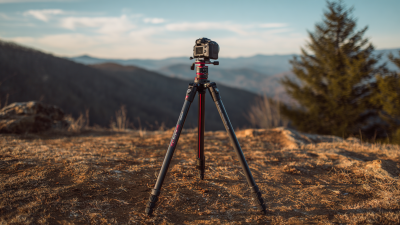
When venturing into challenging environments, a heavy-duty tripod becomes essential. These tripods provide stability on uneven terrain. They withstand windy conditions, allowing photographers to capture stunning shots without camera shake. This reliability is crucial when working in rugged landscapes or during outdoor events.
Choosing the right tripod can be tricky. Always consider the weight capacity and leg design. A sturdy build matters for heavy cameras and long lenses. Look for features like rubber feet for traction. These small details make a significant difference in performance.
Tips for using heavy-duty tripods include regularly checking all joints and locks for wear. Practice setting up your tripod quickly in adverse conditions. This preparation will help you adapt to sudden changes during shoots. Sometimes, the best angle requires some creative thinking. Adjusting the tripod's height and position can unlock new perspectives.
Selecting the Right Heavy Duty Tripod for Your Photography Style
When selecting a heavy-duty tripod, consider your photography style and needs. Heavy-duty tripods stabilize your camera in challenging environments. They help reduce blur during long exposures. According to industry data, nearly 70% of photographers report less camera shake with sturdy tripods. This stability is crucial for low-light or long-zoom shots.
Think about the type of photography you enjoy. Landscape photographers benefit from heavier tripods. Their durability withstands windy conditions. On the other hand, portrait photographers might prefer lightweight options. However, even for portraits, a heavier tripod can provide a solid base to manage reflections in bright conditions.
**Tips:** 1. Check load capacity; ensure your tripod supports your gear. 2. Look for materials like aluminum or carbon fiber for durability. 3. Test the setup; practice adjusting for your specific style. Don't forget that not every tripod feels perfect in hand. It’s about balancing weight, stability, and ease of use. Embrace the imperfections; they can lead to unique, creative shots.