How to Choose the Best Binocular Tripod for Your Needs?
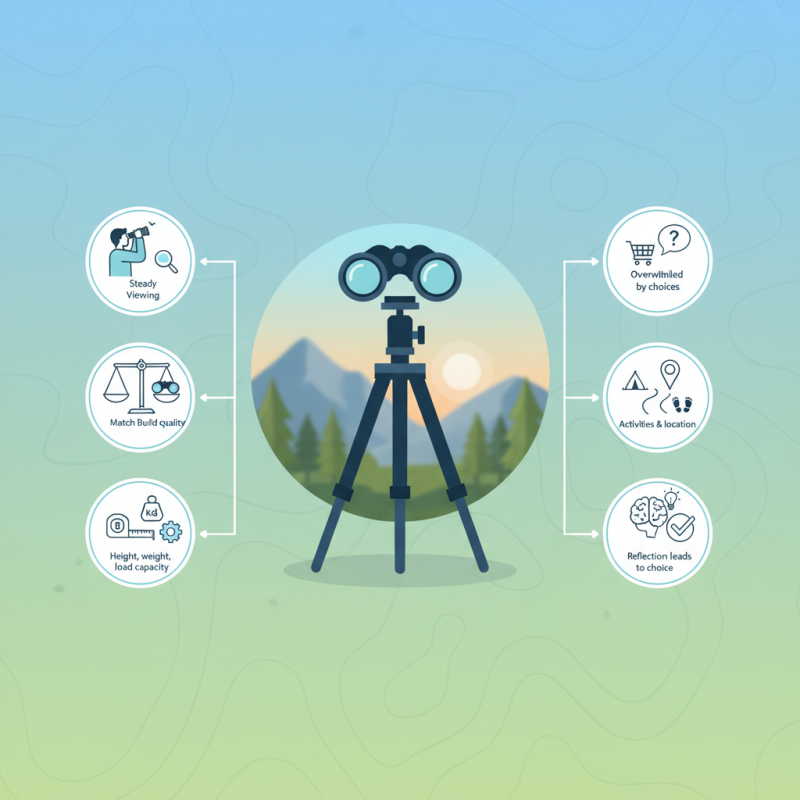
Choosing the right binocular tripod can enhance your outdoor experience. According to Dr. Emily Hart, an expert in optical equipment, "A good tripod is essential for steady viewing." This highlights the importance of selecting the best binocular tripod to suit your specific needs.
Many users overlook how a proper tripod can improve focus. A tripod prevents shaking and allows for prolonged observation. It is vital to match the tripod's build quality with the binoculars you own. Consider factors such as height, weight, and load capacity. Each detail contributes to a stable viewing experience.
While shopping, you may feel overwhelmed by choices. Remember, not every tripod will meet your expectations. It is crucial to think about your activities and where you'll use the tripod. Reflection on your needs will guide you to the right choice.
Understanding Your Specific Needs for a Binocular Tripod
When selecting a binocular tripod, understanding your specific needs is crucial.
Consider the type of viewing you plan to do.
Birdwatchers may require a lightweight and portable tripod.
In contrast, stargazers might need a more stable, heavier option to support longer viewing sessions.
This consideration is essential for enhancing your experience and comfort.
Next, reflect on how you will transport the tripod. If you enjoy hiking, choose a compact model that can fit into your backpack.
A bulkier tripod might offer more stability but can become burdensome on long walks.
Think about what you prioritize: convenience or stability.
Also, assess your viewing height. Some tripods offer adjustable heights, which can make a
significant difference for taller users.
Lastly, evaluate the conditions in which you will be using your tripod. If you often find yourself in windy environments, consider investing in a tripod with a
wider base. The details matter here; a sturdy tripod can enhance your enjoyment of outdoor activities,
while a flimsy one may lead to frustration. Reflect on these factors deeply and remember that finding the perfect fit takes time and consideration.
Evaluating Different Types of Binocular Tripods Available
When choosing a binocular tripod, it is crucial to understand the different types available. There are mainly three kinds: full-size tripods, compact tripods, and table-top tripods. Full-size models provide stability and height. Compact options offer portability but may lack sturdiness. Table-top tripods are great for smaller spaces but often limit height, which can impact your viewing angle.
According to industry reports, about 45% of outdoor enthusiasts prefer full-size tripods for their durability. However, many find that compact tripods are appealing due to their lightweight nature. Choosing the right type heavily depends on your primary activity, such as birdwatching or stargazing. Field tests show that tripods with adjustable legs often perform better on uneven terrain.
Tip: Consider the weight and size. Make sure it matches your needs. A heavy tripod can be cumbersome for long hikes.
When evaluating a tripod, look at the materials. Aluminum is common, while carbon fiber offers greater strength-to-weight ratios. Users often face dilemmas in balancing weight against sturdiness. Remember, an unstable tripod can frustrate your experience.
Tip: Test the tripod before buying. Comfort and usability can vary across models. Always try some adjustments to see what fits best.
Key Features to Consider When Choosing a Binocular Tripod
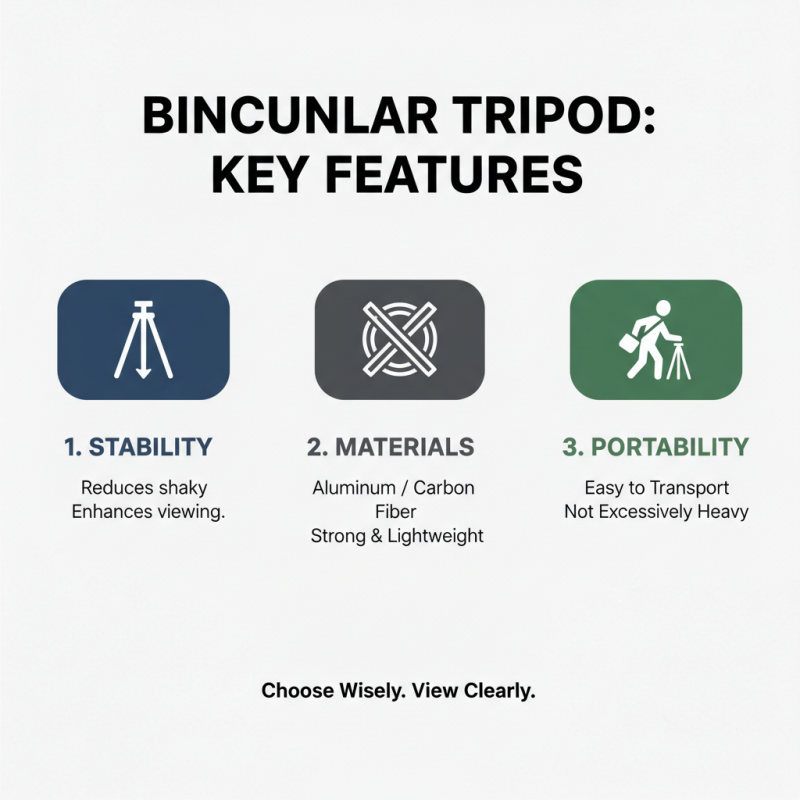
When selecting a binocular tripod, consider several key features. Stability is crucial. A stable tripod reduces shaky images, enhancing your viewing experience. Look for sturdy tripod materials like aluminum or carbon fiber. These materials offer strength without excessive weight, making transportation easier.
Height adjustment is another factor. Make sure the tripod can extend to a comfortable height for you. A versatile tripod allows for adjustments, accommodating different viewing positions. Additionally, check the weight capacity. Ensure it can support the weight of your binoculars securely.
Tips: Test the tripod before buying. Check if it has a quick-release plate for easy attachment. This feature simplifies switching binoculars. Always consider portability, especially if you plan long outdoor sessions. A lightweight tripod is easier to carry but ensure it still remains sturdy enough for your needs.
Assessing Stability, Weight, and Portability Factors
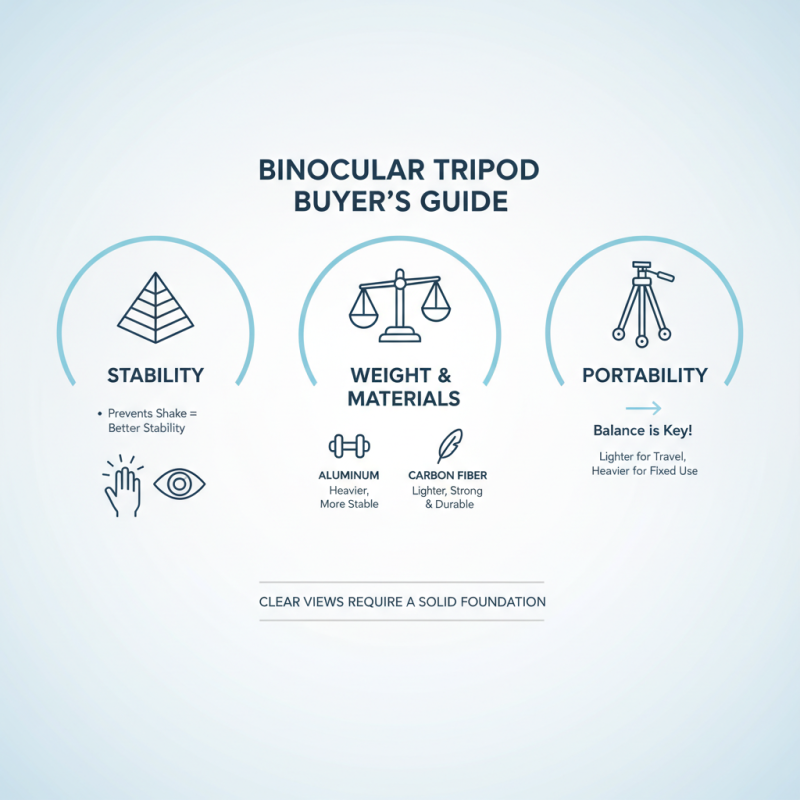
When choosing a binocular tripod, stability is essential. A stable tripod prevents shaking, allowing for a clearer view through your binoculars. Look for tripods with wider bases as they provide better stability. Materials like aluminum or carbon fiber can also make a difference. Aluminum tends to be heavier but more stable, while carbon fiber offers a lighter option with strong, durable construction. Balancing these features can be tricky.
Weight is another critical factor. A heavy tripod might offer better stability, but it can be cumbersome to carry on long hikes. Conversely, lightweight options are portable, yet they might falter in windy conditions. Trying different models can reveal the most comfortable balance for your activities. Don’t hesitate to test them on the field to see how they perform.
Portability should not be overlooked. A compact tripod is easier to carry, especially for outdoor adventures. Check for foldable designs that fit into your backpack. However, ensure that these designs do not compromise on the tripod's strength. Assessing these aspects might feel overwhelming at first. It’s worth visiting several stores to get a physical feel for the different tripods available.
Budget Considerations for Your Binocular Tripod Purchase
When considering a binocular tripod purchase, budget plays a vital role. An affordable tripod should still ensure stability and efficiency. Look for materials that offer durability without excessive weight. Many budget options use aluminum, which is effective yet lightweight.
Quality matters even on a budget. While you might save money, sacrificing stability is a common pitfall. Some cheaper tripods wobble easily, leading to frustrations during use. An unstable tripod can ruin a great viewing experience.
Think about your specific needs as well. Are you using the binoculars for bird watching or stargazing? Different activities might require distinct features, even at a lower price point. Sometimes, spending a little more can make a significant difference in performance. Evaluate what features are most important to you. Prioritizing them can lead to a more satisfying purchase.
Budget Considerations for Your Binocular Tripod Purchase