Top Camera Stands in China for Global Buyers to Consider?
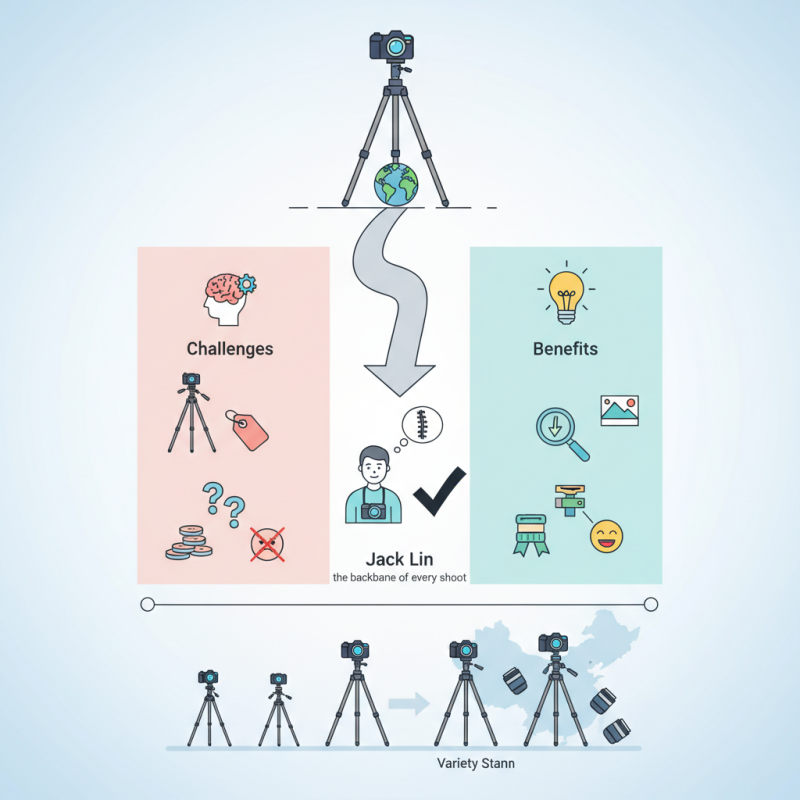
In the dynamic world of photography, choosing the right Camera Stand can significantly impact the quality of your work. Experts in the industry, like Jack Lin, a renowned photography equipment specialist, emphasize the importance of stability and versatility. He once stated, "A good Camera Stand is the backbone of every shoot." This highlights the essential role that a proper stand plays.
As global buyers explore options in China, numerous choices await them. China boasts a range of innovative Camera Stands, each designed to meet various photographer needs. From lightweight options for travel to sturdy stands for studio use, the variety is impressive. However, navigating through this plethora of choices can be daunting.
Buyers often face challenges in balancing quality and price. Some products may not provide the stability needed, leading to frustrating experiences. A thoughtful selection process is crucial. Investing in a reliable Camera Stand can elevate your photography significantly, ensuring you capture the perfect shot every time.
Key Features to Look for in Camera Stands for Global Buyers
When choosing a camera stand, several key features are essential for global buyers.
Stability is paramount.
A sturdy base can prevent unwanted shaking. Look for stands with rubberized feet. This feature helps grip various surfaces securely.
The ability to adjust height is vital. It allows flexibility in different shooting environments.
Many stands offer quick-release mechanisms. These can simplify the transition between setups.
Portability is another aspect to consider. Lightweight materials are beneficial for on-the-go photographers.
Stands that fold easily provide convenience during travel. However, it's essential to balance weight and stability.
Some lightweight options may compromise sturdiness. A well-designed case can enhance portability without sacrificing strength.
Lastly, compatibility with equipment is crucial. Ensure that the stand can support your camera’s weight and dimensions.
Some stands provide quick adjustments for different camera types. Read user reviews to gauge reliability. Remember,
each photographer has unique needs.
Evaluate your requirements carefully before making a purchase. Decisions based on personal experience and practical use can lead to better outcomes.
Top Camera Stand Brands in China: A Comparative Overview
When choosing camera stands, buyers look for quality and reliability. In China, numerous brands offer diverse options. Many stands cater to both amateur and professional photographers. Some are lightweight and portable, perfect for travel. Others boast sturdiness, ideal for studio setups.
A variety of materials are used in constructing these stands. Aluminum and carbon fiber are the most common choices. Aluminum stands are generally more affordable but may lack durability. Carbon fiber options are lighter and more robust but can be costly. Buyers should consider their specific needs to select the right product.
User reviews often highlight usability and stability issues. Some stands may wobble under heavy equipment. This indicates a need for thorough analysis of specifications. Comparing different models can reveal hidden strengths and weaknesses. Ultimately, the right choice hinges on balance—between cost, strength, and functionality.
Budget-Friendly Camera Stands: What to Expect from Chinese Manufacturers
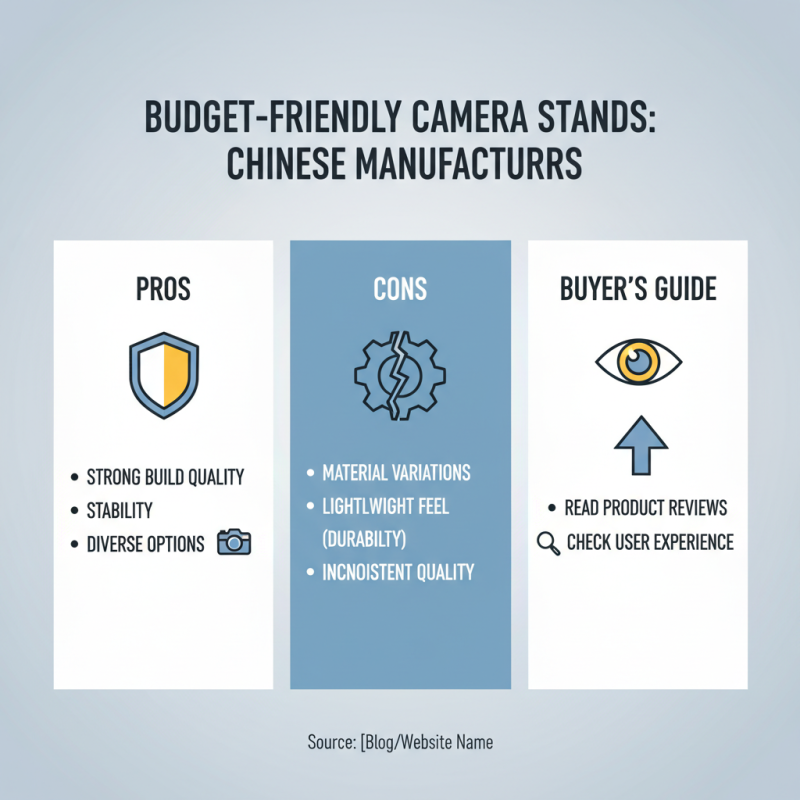
When looking for budget-friendly camera stands, Chinese manufacturers offer a variety of options that can meet diverse needs. These stands often have a strong build quality, essential for stability. However, buyers should expect variations in material quality. Some stands may feel lightweight, impacting durability. It's important to read product reviews to gauge user experience.
Many manufacturers focus on cost-effectiveness. This often results in affordable prices, but the trade-offs can include limited features. For instance, height adjustment mechanisms may be less smooth or precise. Additionally, some models might lack robust support for heavy cameras. Users should assess their specific requirements before making a choice.
Quality can be inconsistent across different suppliers. Researching specifications is crucial to avoid surprises. Packing and shipping can also be a factor; some stands may arrive damaged. Evaluating seller reliability helps ensure a satisfactory purchase experience. It's wise to connect with others who have made similar purchases to gather insights and recommendations.
High-End Camera Stands from China: Luxury Features and Performance
High-end camera stands from China are increasingly recognized for their luxury features and exceptional performance. Recent industry reports indicate a growing demand for robust and sophisticated photographic equipment globally. Notably, the premium segment of the market has seen projected growth rates exceeding 15% over the next five years. This rapid expansion reflects advancements in materials and engineering, as manufacturers focus on creating stands that cater to professional photographers' needs.
These camera stands offer unique features like adjustable height, stability, and weight tolerance, often exceeding 10 kilograms. This functionality is crucial for professional setups. A recent survey indicated that well-designed stands enhance the shooting experience, allowing for smoother adjustments. However, user feedback highlights that some models can be cumbersome. The balance between portability and durability continues to be a challenge manufacturers face. It’s essential to evaluate the design and weight before making a commitment.
Moreover, premium camera stands often come with additional features such as quick-release plates and fluid heads. These elements can significantly enhance shooting versatility. Yet, it’s worth noting that the complexity of these features can lead to a steeper learning curve. Users may require time to adapt, which can hinder initial performance. The luxury camera stand market is promising, but potential buyers should weigh features against usability for the best results.
Top Camera Stands in China for Global Buyers
Where to Purchase: Reliable Retailers and E-commerce Platforms in China
When seeking quality camera stands in China, it's essential to identify reliable retail channels. E-commerce platforms like Alibaba and JD.com are popular choices. In 2022, e-commerce sales in China reached over $2 trillion. This indicates a robust market for global buyers looking for camera accessories. The convenience of online shopping allows for easy price comparisons and access to user reviews.
Local retailers also play a pivotal role. Stores like Camera Mall provide firsthand experiences. Potential buyers can physically test products before making a commitment. However, a drawback exists: limited stock for specialized products. Reports indicate that only 30% of local shops have comprehensive selections.
Beyond just shopping, understanding warranty services is crucial. Many buyers overlook this aspect. According to recent industry findings, around 25% of consumers face issues with after-sale services when purchasing through online platforms. Therefore, thorough research is vital before deciding where to buy. Knowledgeable choices can lead to a more satisfactory purchase experience.