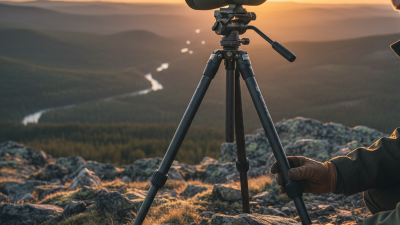
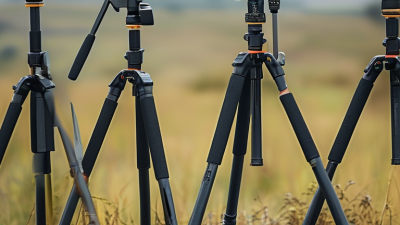
How to Choose the Best Aoka Travel Tripod for Your Adventures?
When planning your next adventure, the right gear makes all the difference. The Aoka Travel Tripod stands out as a top choice for travelers who seek quality and portability. Mark Thompson, a renowned travel photographer, emphasizes, "A great tripod can transform your photography." The Aoka Travel Tripod embodies this principle with its compact design and sturdy build.
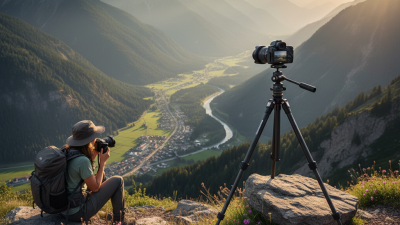
This tripod is not just about lightweight convenience. It offers versatility in various environments, from bustling cities to serene landscapes. With features designed for quick setup and stability, it becomes indispensable for capturing those perfect shots. However, choosing the right model can be overwhelming.
Adventurers must consider their specific needs, like size and weight. The Aoka Travel Tripod presents an ideal solution, but individual preferences vary. Reflection on these aspects ensures it aligns with your travel style and enhances your photography experience.
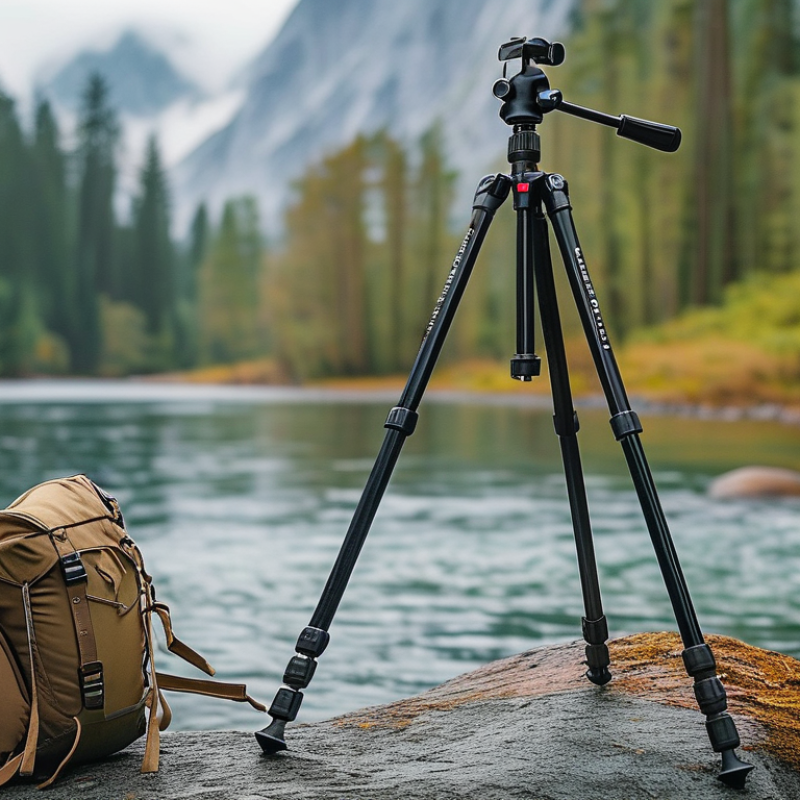
Choosing the Right Aoka Travel Tripod: Size and Weight Considerations
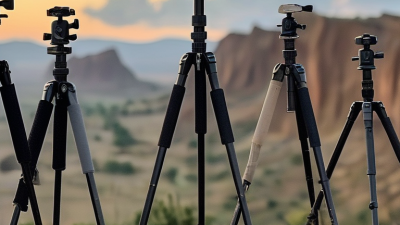
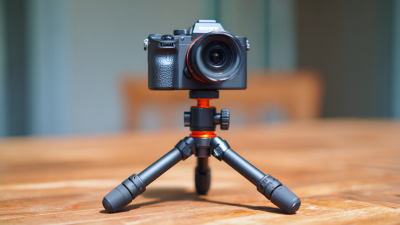
When choosing a travel tripod, size and weight are critical factors. A compact design is vital for adventurers on the go. Many models fold down to less than a foot. Look for lightweight materials, such as aluminum or carbon fiber. These materials provide strength without adding extra weight to your backpack.
Tip: Always consider the tripod’s extended height. A tall tripod can provide better angles for various subjects. Also, check the minimum height for low shots. Some tripods may not extend far enough.
Consider how you will use the tripod. A heavier model might offer stability in windy conditions, but it can be cumbersome on long hikes. It’s essential to find a balance between stability and portability. An ideal tripod should fit comfortably in your travel gear.
Ultimately, trial and error can help refine your choice. Test various models to find the best fit for your photography style. Each trip is unique, and so are the requirements for your gear.
Understanding Stability: The Importance of Tripod Material and Design
When selecting a travel tripod, stability is paramount. The materials used in tripod construction greatly affect its performance. Carbon fiber tripods offer a lightweight solution, perfect for hiking. They absorb vibrations well, providing steadiness for your camera. Aluminum tripods, while heavier, can be more affordable. They serve well for urban photography where weight is less of a concern.
Design plays a critical role in stability as well. A wider base often enhances balance. Look for tripods with adjustable legs. This feature helps compensate for uneven terrain. Compact designs are convenient but can sometimes sacrifice sturdiness. Reflect on the environments you’ll explore. A sturdy tripod might weigh more but offers the reliability needed for breathtaking landscapes.
Tips for choosing include checking the load capacity. Ensure it exceeds your camera and lens weight. Test the locking mechanisms. Do they feel secure? Stability is more than just materials; it’s about the overall design. Remember, a trustworthy tripod should feel solid, even in challenging conditions. Your adventures deserve the best equipment.
Stability Comparison of Travel Tripod Materials
Evaluating Height and Adjustability for Optimal Shooting Angles
When selecting a travel tripod, height and adjustability are crucial. Different shooting angles can significantly impact your photography. A tripod that extends to a suitable height provides flexibility. It is essential for capturing landscapes or portraits from various perspectives. Look for models that offer multiple height settings. This feature allows you to adapt to different environments easily.
Adjustability also includes tilt and pan functions. These features enhance stability and control over your camera's position. You may encounter tripods with limited motion, which can restrict creativity. Test the range of motion before purchasing. Consider how frequently you will adjust the height and angle in the field. Striking a balance between portability and functionality is vital.
Even with the best equipment, gaps exist. It's possible that height adjustments could be too slow during a shoot. You might also find it challenging to find the perfect height for certain shots. Being aware of these limitations helps you prepare for unexpected situations. Embrace trial and error. Each adventure can refine your understanding of how height and adjustability influence your results.
Assessing Load Capacity: Finding the Right Support for Your Gear
When selecting a travel tripod, assessing load capacity is crucial. This ensures your camera and gear get the support they need. Consider the weight of your equipment. Adding extra items, like lenses, can increase this weight. If your tripod can’t handle it, you risk mishaps, which can damage your gear.
Tips: Check the manufacturer’s specifications for load capacity. It's wise to choose a tripod that can support at least 1.5 times the combined weight of your gear. This provides a safety margin, especially in windy conditions. Make sure to test the tripod under different loads before your adventures.
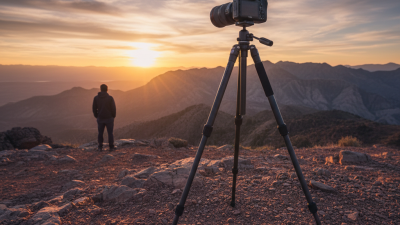
Another point to ponder is your personal shooting style. Some adventurous photographers prefer lightweight gear for hiking, while others may opt for stability over weight savings. Think about where you will shoot. If you plan to capture landscapes, a more robust model may be needed to handle uneven terrain and strong winds. Your choice will significantly impact your shooting experience.
Budgeting for Quality: Comparing Price Ranges and Features of Aoka Tripods
When considering travel tripods, understanding price ranges is essential. Tripods come in various materials, sizes, and features, influencing their cost. Entry-level models are budget-friendly. They might lack advanced functionalities but are suitable for casual use. Look for basic stability and ease of use. These tripods can support smaller cameras and are light enough to carry on a hike.
Mid-range options often feature better materials and added features. They might include quick-release plates, adjustable heights, and improved stability. A tripod in this category offers a blend of portability and functionality. It's perfect for photographers who want quality without breaking the bank. However, always check user reviews to ensure durability.
Premium tripods provide top-notch stability and advanced features. They often have robust construction, ideal for serious photographers. Despite their benefits, investing in high-end tripods can feel daunting. Consider how often you’ll use it. If you travel frequently, the investment may be justified. Reflect on whether the added weight is worth the enhanced performance. Ultimately, choosing a travel tripod depends on balancing budget and needs.
How to Choose the Best Travel Tripod for Your Adventures? - Budgeting for Quality: Comparing Price Ranges and Features of Tripods
| Tripod Model |
Price Range ($) |
Weight (lbs) |
Max Height (inches) |
Material |
Load Capacity (lbs) |
Special Features |
| Model A |
50 - 100 |
3.5 |
60 |
Aluminum |
10 |
Quick-release plate |
| Model B |
100 - 200 |
4.0 |
66 |
Carbon Fiber |
15 |
Foldable design |
| Model C |
20 - 50 |
2.5 |
50 |
Aluminum |
5 |
Compact size |
| Model D |
150 - 300 |
3.0 |
70 |
Carbon Fiber |
20 |
Weather resistant |